Scotch

Scotch Region Guide & Staff Picks

Pick Your Region, Pick Your Profile

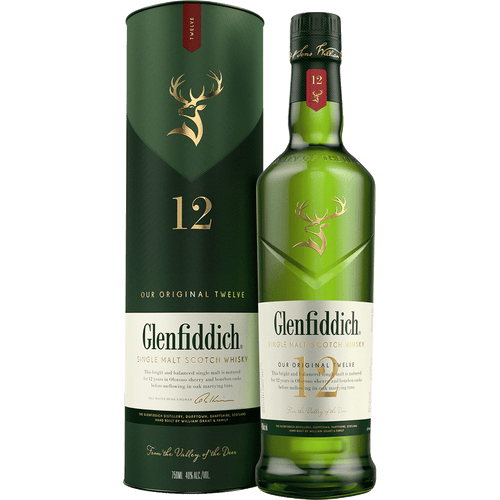
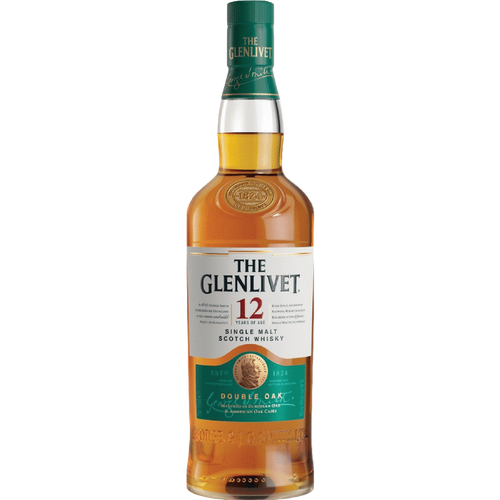
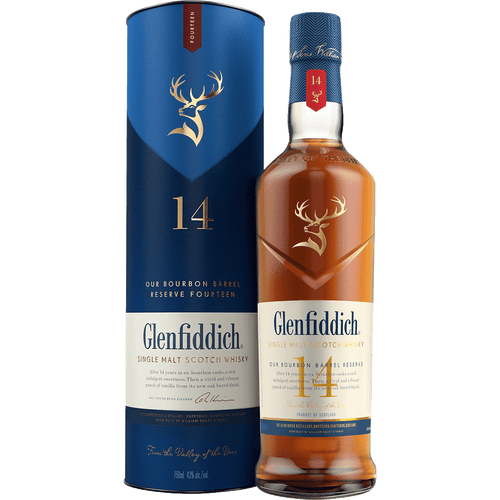
  • Speyside (Glenlivet, Glenfiddich, Macallan, Aberlour) — fruit, honey, light-to-rich. The easiest entry point.
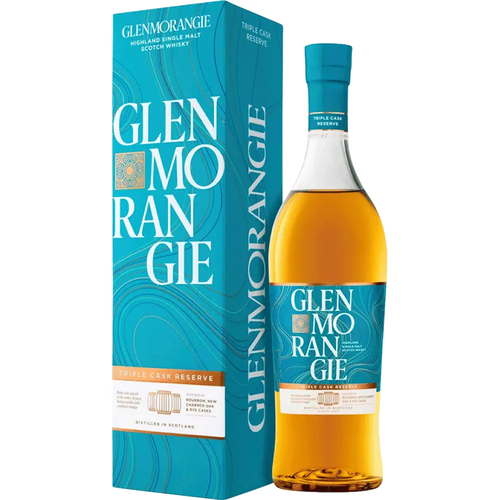
  • Highland (Glenmorangie, Dalmore, Oban) — diverse; expect heather, spice, and balanced oak.
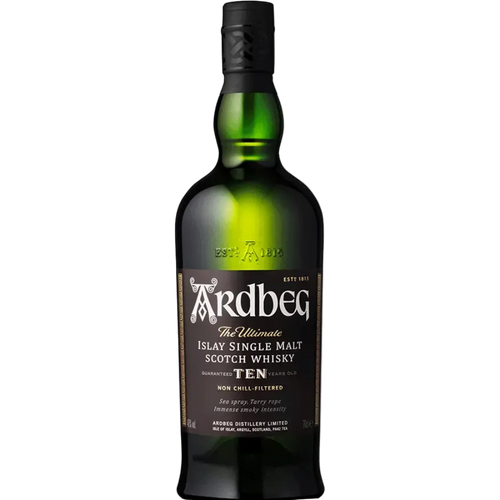
  • Islay (Laphroaig, Lagavulin, Ardbeg, Bowmore) — peated, smoky, medicinal. Either you love it or you don't.
  • Campbeltown (Springbank, Glen Scotia) — briny, oily, complex. Cult-collector territory.
  • Lowland (Auchentoshan, Glenkinchie) — light, floral, often triple-distilled. Great pre-dinner.

Buffalo House Scotch Picks

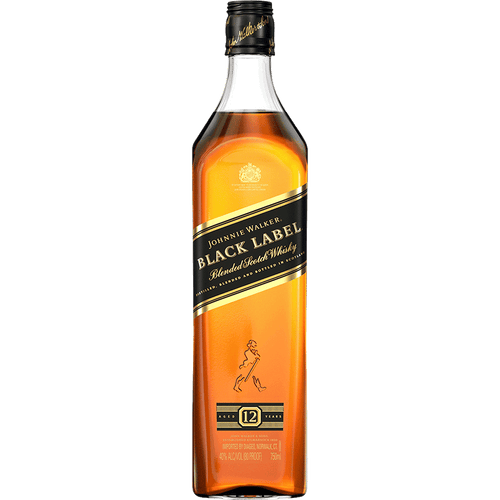
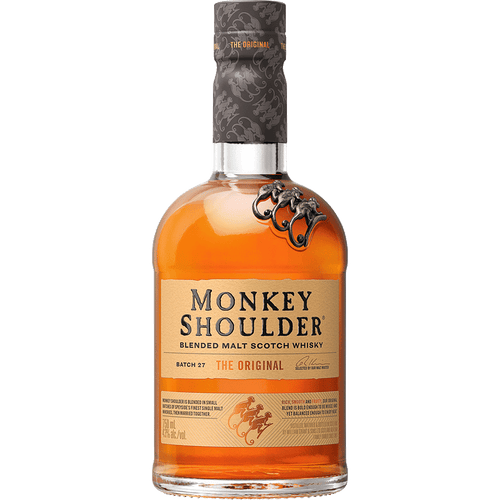
  • Under $50: Glenfiddich 12, Monkey Shoulder, Johnnie Walker Black, Highland Park 12, Famous Grouse.
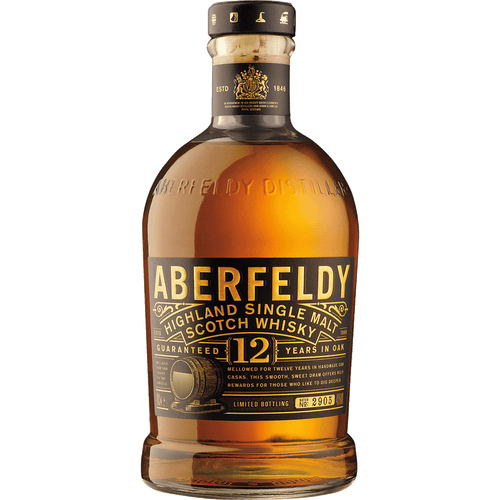
  • $50–$100: Lagavulin 16, Macallan 12 Double Cask, Aberlour 12, Oban 14, Glenmorangie 18, Bowmore 15.
  • $100+ / collector: Macallan 18, Lagavulin 25, Highland Park 18, Dalmore Cigar Malt, Springbank 15.
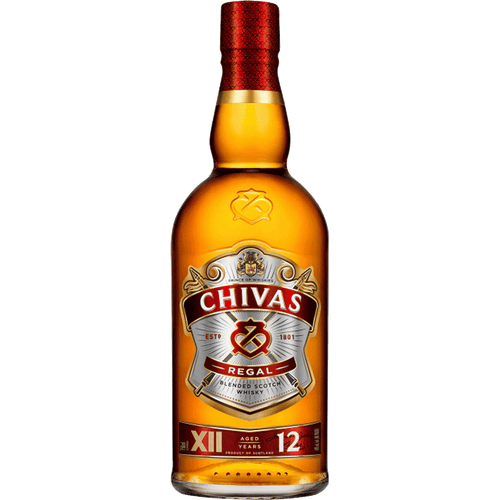
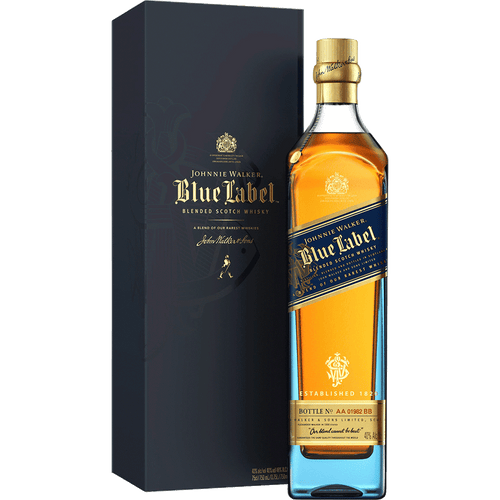
  • Blended: Johnnie Walker Blue, Chivas 18, Compass Box Spice Tree, Naked Malt.

Single Malt vs Blended — Which to Buy?

Don't believe the snobbery: a great blend (Johnnie Walker Black, Compass Box, Monkey Shoulder) outperforms a mediocre single malt at half the price. Single malts are about regional character and distillery identity; blends are about consistency and balance. Read our full Scotch guide →

How to Drink Scotch

Neat at room temperature first, then a splash of cool water (not ice) to "open" the dram and unlock new aromas. Cocktails: a Rob Roy (Scotch Manhattan), a Penicillin, or a Blood & Sand for sherried bottles.

Buy Scotch in Buffalo, NY

Same-day delivery across Buffalo, Amherst, Williamsville, Kenmore, Tonawanda, Hamburg, Orchard Park, Niagara Falls & beyond — free over $49. (716) 770-1230

Frequently asked questions

Where can I buy Scotch in Buffalo, NY?
Buffalo House Liquor & Wines, 1230 Colvin Blvd, Tonawanda. 35+ Scotches — Highland, Speyside, Islay, Lowland, and blended. Macallan, Glenfiddich, Glenlivet, Lagavulin, Laphroaig, Johnnie Walker. Same-day delivery on $49+.
What's the difference between single-malt and blended Scotch?
Single-malt is made at one distillery from 100% malted barley. Blended Scotch mixes single-malts with grain whisky from multiple distilleries. Blends are typically softer and cheaper; single-malts express the distillery's character.
What's a peated Scotch?
Scotch made from barley dried over peat smoke, giving it a smoky, medicinal, sometimes briny character. Iconic peated brands: Laphroaig, Lagavulin, Ardbeg, Talisker. Not for everyone — try a dram before committing to a bottle.
Do you stock rare or older Scotches?
Yes — 18, 21, and 25-year expressions when allocations permit. Ask staff about current single-cask and limited-release availability.
43 bottles
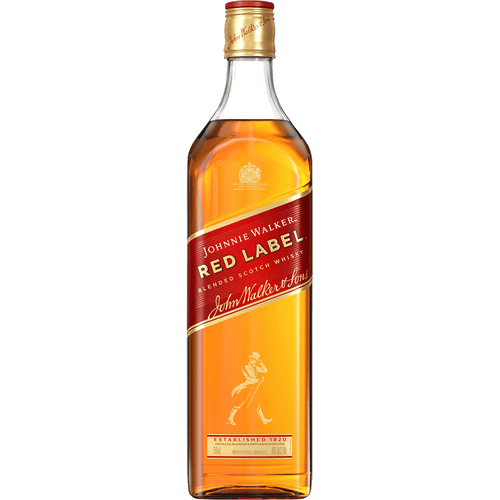
Johnnie Walker Red Label 1L Front Bottle Label
No reviews

Johnnie Walker Red Label

Johnnie Walker

In stock

Smoky Spicy Fruity
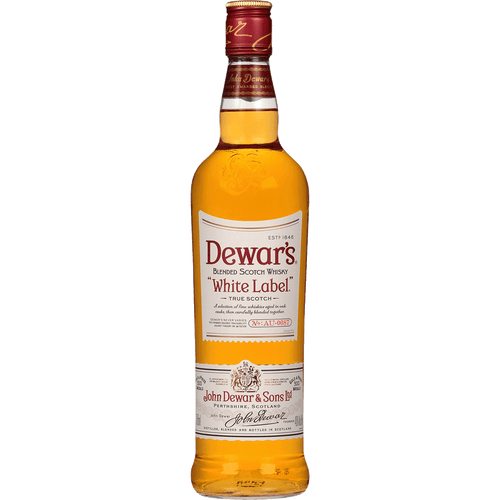
Dewar's White Label 750ML Front Bottle Label
No reviews

Dewar's White Label

Dewar's

In stock

Honey Vanilla Citrus
Johnnie Walker Black Label 1.75L Front Bottle Label
No reviews

Johnnie Walker Black Label

Johnnie Walker

In stock

Vanilla Caramel Smoke
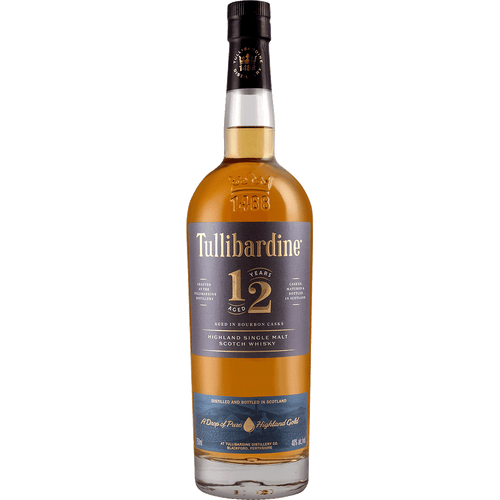
Tullibardine 12Yrs 750ML Front Bottle Label
No reviews

Tullibardine 12Yrs

Tullibardine

Soft Citrus Toffee Apple Vanilla

Scotch questions

What's the difference between single malt and blended Scotch?
Single malt is 100% malted barley from one distillery — more complex, usually pricier. Blended Scotch mixes malt and grain whiskies from several distilleries for a smoother, more affordable, mix-friendly style.
Why is some Scotch smoky or 'peaty'?
Peat smoke used to dry the barley leaves a smoky character. Islay is famous for bold, peaty Scotch — but most Scotch isn't smoky at all.
What do the Scotch regions mean?
Scotland's main regions each lean a certain way: Speyside is fruity and honeyed, Islay peaty and smoky, the Highlands robust, the Lowlands light. The region hints at the style in the glass.
What does the age statement on a Scotch mean?
It's the age of the youngest whisky in the bottle — a '12 Year' spent at least 12 years in oak. Older statements usually cost more, but older isn't automatically better.